
"The solution to the feral cats that already exist is the one no one wants to hear: accepting the fact that feral cats will live among us, and taking responsibility for controlling their numbers by trapping, neutering, and returning them to their outdoor territories." - Denise Flaim
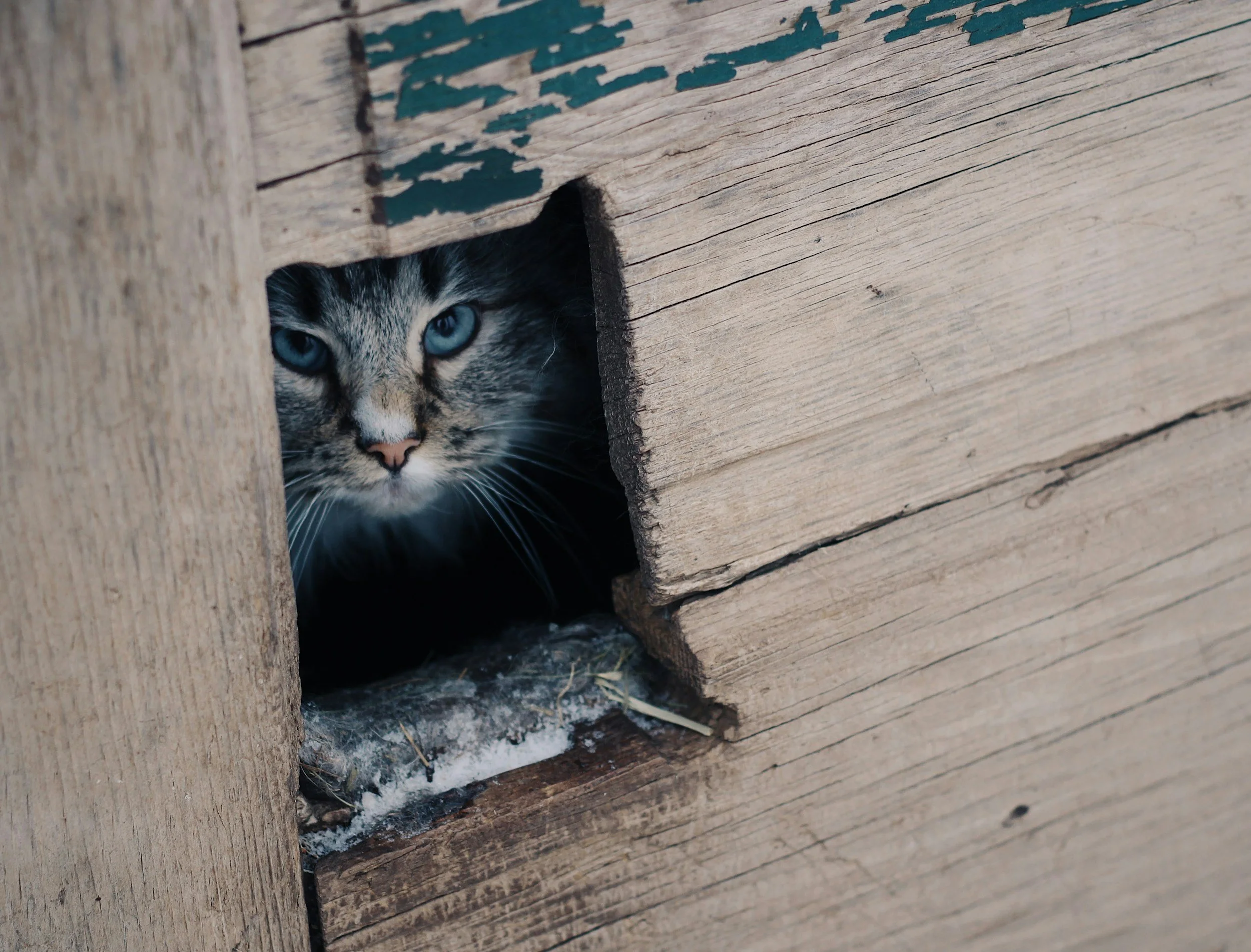
CHA’s Barn Cat / Working Cat Program
At Chippewa Humane Association, we have limited space for feral cats, but we’re committed to working with the community to help manage and place them safely. When someone brings in a feral cat, we schedule and plan ahead to make sure we can provide proper care. Once the cat arrives, our team evaluates its behavior to determine whether it is truly feral. If deemed feral, the cat is spayed or neutered, vaccinated, and prepared for placement as a working or barn cat.
The ideal home for a barn cat is a barn, workshop, or similar structure that provides safe hiding spots and shelter from the elements. Adopters play an essential role in their care by providing food, water, and shelter, even though these cats are not traditional house pets. In return, barn cats offer natural pest control and become valued members of their new environment.
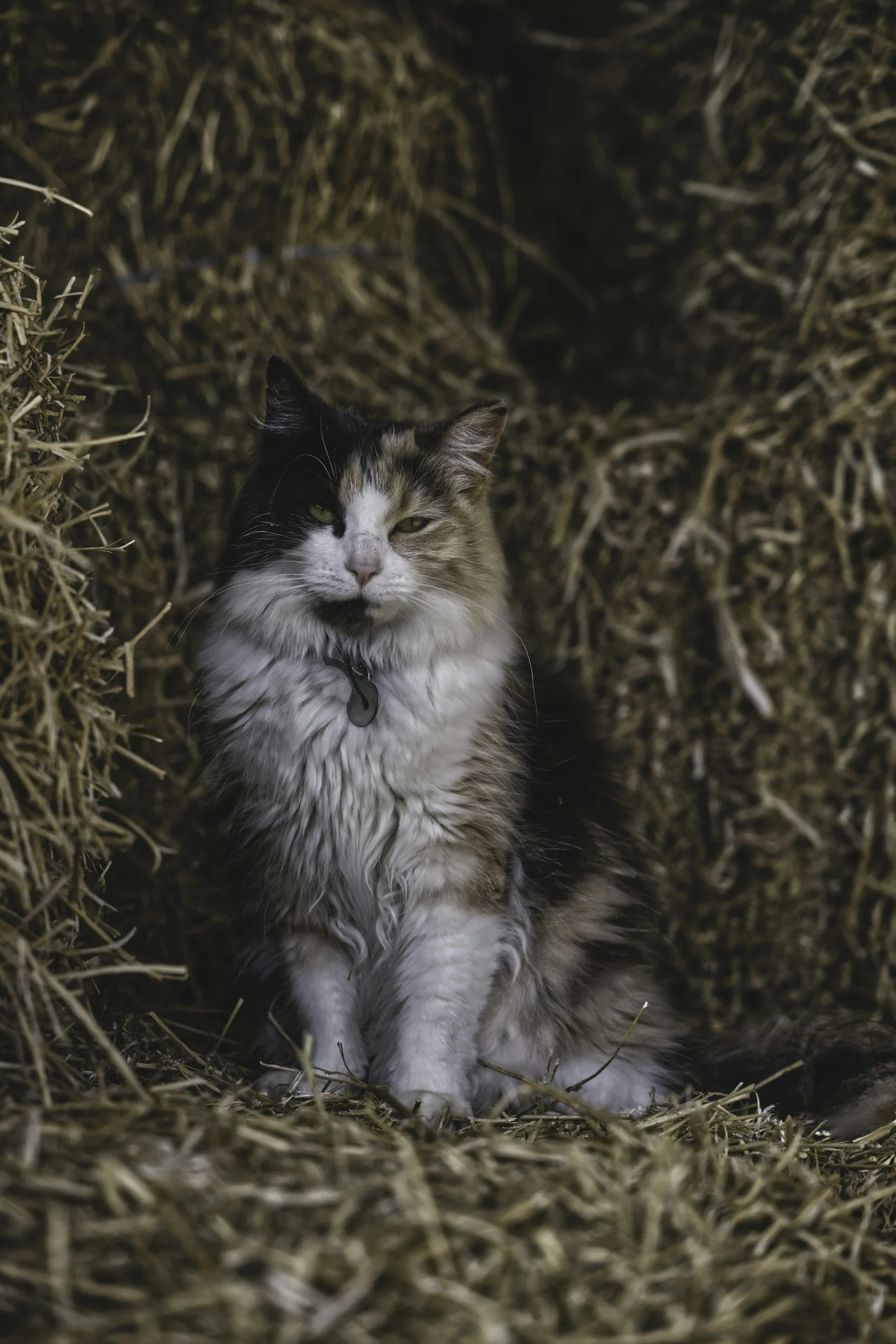
Barn Cat Program History
Barn cat programs (also called “working cat” or “farm cat” placement programs) arose as a humane alternative for cats that cannot thrive as indoor pets. Rather than euthanizing them or returning them to unsafe outdoor environments, shelters and rescues began placing these cats in settings like barns, stables, warehouses, or farms where they can live out their lives helping with rodent/pest control.
One well-known example is Austin Pets Alive! Their Barn Cat Program was launched around 2009 to rescue poorly socialized and unsocialized cats that are unlikely to adapt to home life, sterilize and vaccinate them, and place them as “working cats” for people with suitable properties
These cats are often pulled from shelter euthanasia lists and given safe placements where they can live productively outdoors.
Over time, many other shelters and rescue groups across the country have adopted similar models. The concept complements TNR (Trap-Neuter-Return) as part of community cat management: cats who are unsocialized and unsuitable for traditional adoption but cannot be returned to unsafe areas may be placed in working cat placements.